
Emerging Trends in Influencer Marketing for Small Businesses
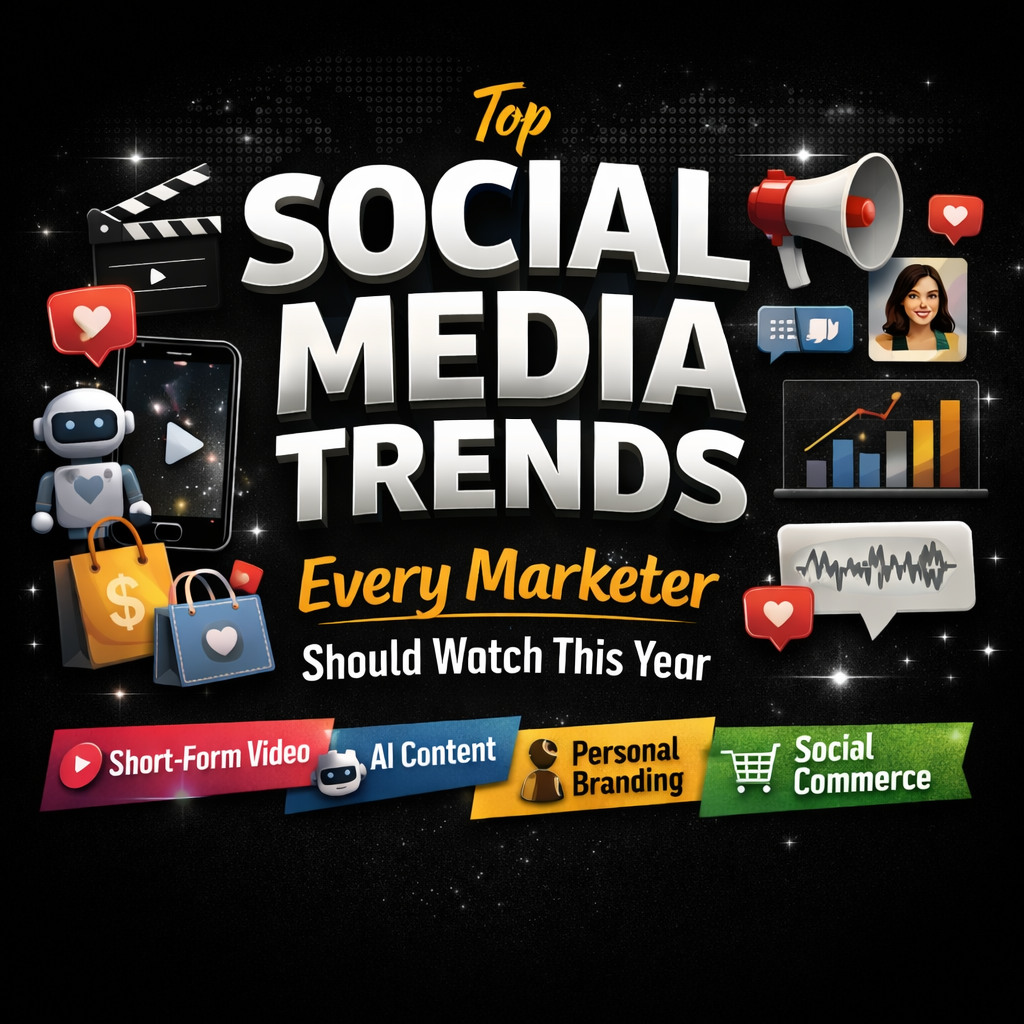
Influencer marketing has transformed from a luxury marketing tactic into a powerful, essential strategy for small businesses. With the rise of social media platforms and content creators, brands now have direct access to highly engaged audiences without spending huge advertising budgets.
In 2026, influencer marketing is no longer just about follower count—it’s about authenticity, data, niche targeting, and long-term value. Small businesses that understand and adopt the latest trends can compete with bigger brands and build meaningful customer relationships.
This blog explores the emerging trends shaping influencer marketing and how small businesses can use them effectively.
1. The Rise of Micro and Nano Influencers
One of the most significant trends is the shift toward micro and nano influencers.
- Micro influencers: 10,000 – 100,000 followers
- Nano influencers: Under 10,000 followers
Why they matter:
- Higher engagement rates
- More trust from followers
- Strong niche communities
- Cost-effective collaborations
Unlike celebrities, these influencers feel more relatable and accessible. Their recommendations often feel like advice from a friend rather than an advertisement.
For small businesses: You can collaborate with multiple nano influencers instead of spending your entire budget on one big influencer.
2. Authenticity is the New Currency
Today’s audience is smarter than ever. They can easily identify overly promotional content.
What works now:
- Real-life experiences
- Honest product reviews
- Behind-the-scenes content
- Story-driven posts
Consumers prefer influencers who show imperfections and genuine opinions rather than polished, scripted promotions.
Strategy: Give influencers creative freedom. Let them present your product in their own voice.
3. AI-Powered Influencer Marketing
Artificial Intelligence is revolutionizing how brands run influencer campaigns.
AI is used for:
- Finding the right influencers based on niche and audience
- Detecting fake followers and engagement
- Predicting campaign performance
- Automating outreach and reporting
Benefits for small businesses:
- Saves time and effort
- Reduces guesswork
- Improves ROI
Tools powered by AI allow even small businesses to make data-driven decisions like large companies.
4. Growth of AI and Virtual Influencers
Virtual influencers—computer-generated personalities—are becoming more common.
Why brands use them:
- Full control over content
- No risk of controversy
- Consistent branding
However, they lack human emotion and relatability.
Reality check: For small businesses, human influencers still perform better due to trust and emotional connection.
5. Long-Term Influencer Partnerships
Brands are moving away from one-time collaborations toward long-term relationships.
Advantages:
- Builds trust with audience
- Creates consistent brand messaging
- Improves campaign performance over time
When an influencer promotes a brand repeatedly, it feels more genuine and believable.
Tip: Turn influencers into brand ambassadors instead of one-time promoters.
6. Multi-Platform Strategy
Relying on a single platform is risky due to algorithm changes.
Popular platforms in 2026:
- Instagram (Reels & Stories)
- YouTube (Shorts & long-form content)
- LinkedIn (for B2B marketing)
- TikTok (where available globally)
Why it matters:
- Expands reach
- Diversifies audience
- Reduces dependency
Smart move: Repurpose influencer content across multiple platforms.
7. Performance-Based Influencer Marketing
Brands now focus on measurable results, not just likes and views.
Key performance metrics:
- Conversions
- Sales
- Leads
- Website traffic
Common models:
- Affiliate marketing
- Discount codes
- Commission-based partnerships
Benefit: You pay for actual results, making it ideal for small businesses with limited budgets.
8. User-Generated Content (UGC) Dominance
Influencers are not just promoters—they are content creators.
Why UGC works:
- Feels authentic
- Builds trust
- Can be reused in ads and websites
- Cost-effective content production
Pro tip: Use influencer-generated content for:
- Social media ads
- Website visuals
- Product pages
9. Rise of B2B Influencer Marketing
Influencer marketing is no longer limited to fashion or lifestyle brands.
In B2B, influencers include:
- Industry experts
- Consultants
- LinkedIn creators
- Thought leaders
Benefits:
- Builds credibility
- Educates audience
- Shortens sales cycle
If you’re a service-based business, this trend is a game changer.
10. Transparency and Ethical Marketing
Consumers expect honesty. Regulations are also becoming stricter.
Best practices:
- Clearly disclose paid partnerships
- Avoid misleading claims
- Promote genuine experiences
Transparency builds long-term trust and brand loyalty.
11. Short-Form Video Dominance
Short-form content continues to dominate influencer marketing.
Formats that work:
- Instagram Reels
- YouTube Shorts
- TikTok videos
Why it works:
- Quick consumption
- High engagement
- Algorithm-friendly
Tip: Focus on storytelling within 15–30 seconds.
12. Community-Driven Marketing
Influencers are building communities, not just audiences.
Examples:
- Private groups
- Subscription content
- Exclusive memberships
Collaborating with influencers who have strong communities leads to higher engagement and loyalty.
Conclusion
Influencer marketing in 2026 is more strategic, authentic, and data-driven than ever before. For small businesses, this presents a huge opportunity to grow without massive budgets.
Key Takeaways:
- Focus on micro and nano influencers
- Prioritize authenticity over perfection
- Use AI tools for smarter decisions
- Build long-term partnerships
- Track performance and ROI
- Leverage user-generated content
Small businesses that adapt to these trends will not only survive—but thrive—in the competitive digital landscape.
Bonus: Simple Action Plan
- Identify 5 micro-influencers in your niche
- Start with product exchange or low-budget deals
- Give creative freedom for authentic content
- Track results using discount codes
- Repurpose content across platforms
- Build long-term relationships